
3. Crises of the Constitution:
at least one per year
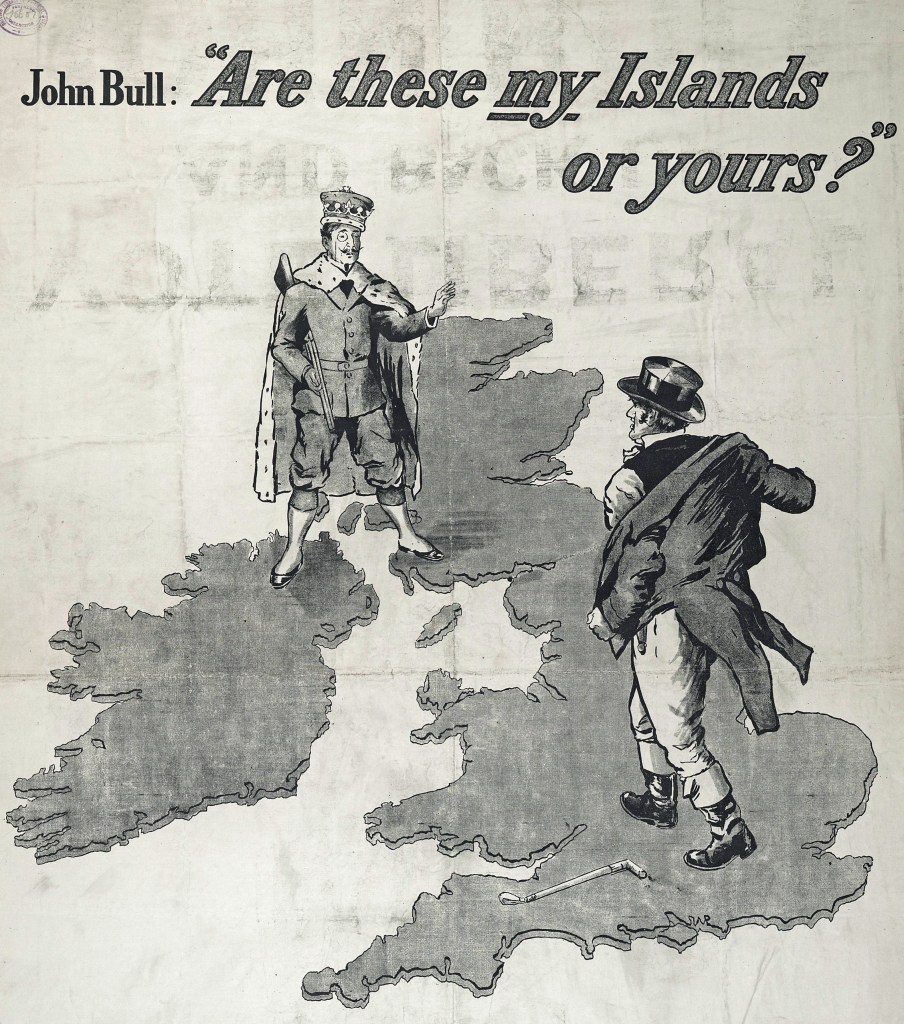
A constitutional crisis occurs when the “constitution” doesn’t speak clearly and creates a dispute which is only semi-resolved by insider-experts quoting precedent and convention. To outsiders, their rulings sound a lot like “because I say so.” This is a brief selection of ten years’ worth of constitutional failures.
These are not isolated exceptions but signs of systemic failure. “The weirdness cannot continue” wrote Simon Jenkins in the Guardian in July 2026.
| Date | Event | Description and points arising |
| 2017-8 | The power to invoke article 50 | The Brexit referendum locks up the political system from 2016 to 2019. “David Cameron seemed to approach the constitution like the dodgy builder from Fawlty Towers: His casual use of the referendum broke the core principle of responsible government: that those who advocate a policy take responsibility for its results.”(Saunders, 2019). It takes a private citizen, Gina Miller, to force the question of whether the executive can invoke Article 50. When the Supreme Court takes a different view to the executive who has the final say? |
| 2019 | Prorogation | Who “owns” the royal prerogative and what are the rules governing its use? How and by whom are these rules enforced? Does not the use or misuse of the Privy Council implicate the monarchy in politics? What is the Privy Council except a redundant medieval monarchical body which is antithetical to democracy? (Hutton, 2019) |
| 2020 | Internal Market Bill | Brandon Lewis (2020) says of this bill “it will break international law” in a by circumventing treaty obligations to the EU. The controversial provision is later dropped but there seems to be nothing in the constitution to prevent a politician betraying international obligations. |
| 2021 | Northern Ireland Protocol | This effectively divides the country into Northern Ireland (quasi-part of the EU) and the rest. Can the constitution have different applications according to location? |
| 2022 | Police, Crime, Sentencing and Courts Act | The first of a series of measures – not all with parliamentary approval; some by ministerial diktat, including the euphemistic “secondary legislation”– to curb the actions of climate protestors. People are jailed for taking part in a Zoom call and holding up handwritten signs. The constitution is unclear about the rights of British citizens to sit, stand, stop walking or assemble where and when they want. For this year, I could have chosen Partygate in which “the law makers become law breakers”. |
| 2023 | Coronation Protests | The police take the view that republicans should not be visible during the coronation celebrations and must be detained to preserve the image of unity among subjects. Also this year, a former prime minister is created a peer and put in charge of foreign policy: an unaccountable political has-been can theoretically taken the country to war. |
| 2024 | Post Office scandal | A rolling injustice and cover up, which is not merely overseen by the state but in which the state is the stakeholder. No one is prosecuted. Meanwhile, Shamima Begum’s appeal is turned down and she is denied the right to a trial, meaning that a British minister of state can declare someone stateless on the basis of her political views while a minor. “Citizenship is an unrestricted, un-revokable, irreversible right and status, or it is nothing” Ford (2026). |
| 2025 | A state visit as a bribe | Starmer woos Trump with the promise of a second state visit to mollify him. The monarch is used as a political tool. In the same year, we see the mass arrest of Palestine Action campaigners carrying out peaceful protests. Britain’s jail population now numbers political prisoners. |
| 2026 | The Mandelson Crisis | How should political appointments be made? How much is the electorate entitled to know? Who decides when a peer should be ejected from the House of Lords? I could have opted for the degradation of the former prince Andrew. Constitutional experts were conspicuously silent about this. What would happen if the king was found to have committed the same offences as alleged against his brother? Could he be reduced to the ranks as well? How many names can be removed from the line of succession before the principle of genealogical entitlement fails and monarchy loses its legitimacy? |
…and so it goes on. Each year, one or more issues that the “constitution” does not resolve. How many confusions and silences should we accept before we suspect that there is a fundamental problem at work?
 The Cavalier Constitution