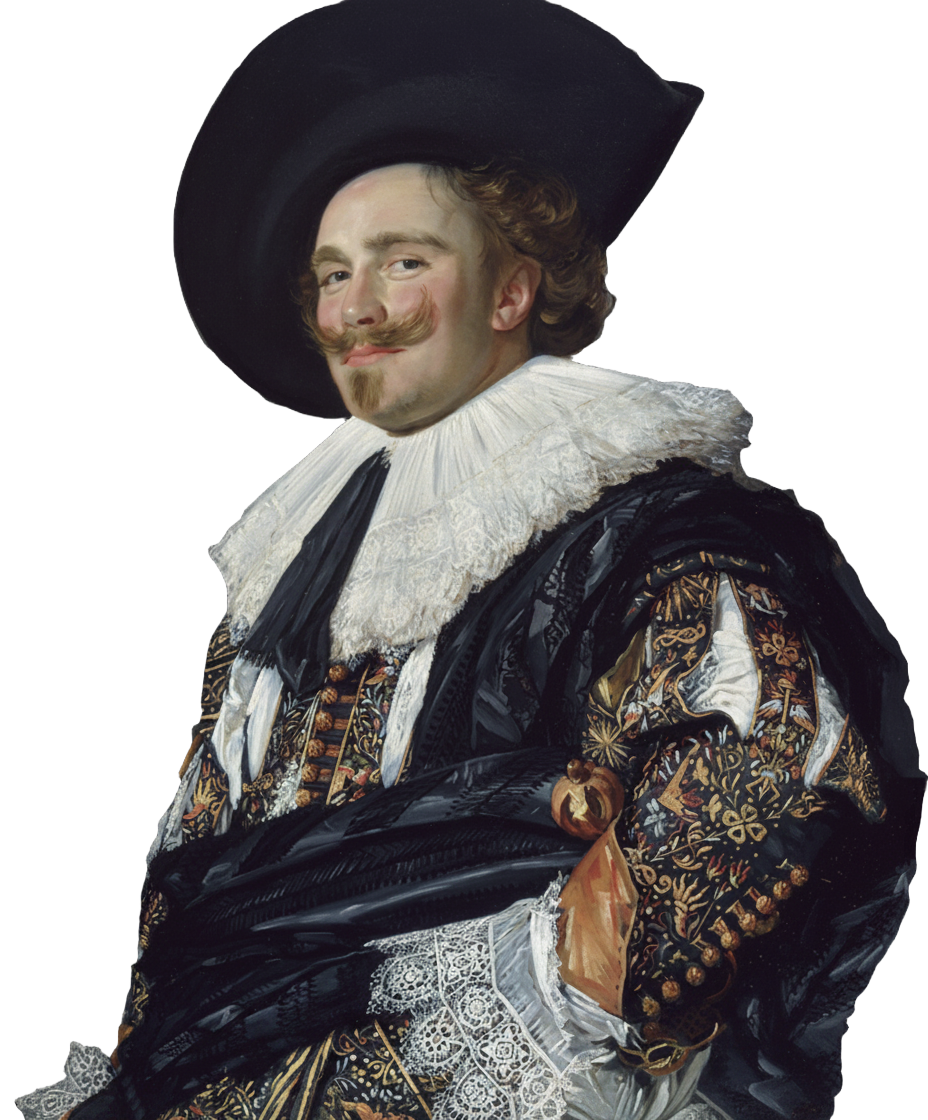

14 The Noble Age of Parliamentary Repression
“the great 800-year-old Picnic Party of the Upper Classses” (Ruskin)
*
Successive generations of ordinary citizens demanded constitutional reform and were not only refused it but often punished for expressing their grievances. England-GB-UK has never had laws permitting free speech but it has always had laws censoring the expression of anti-government sentiments. Sedition is a notoriously fluid concept that can be applied to almost any criticism of parliament or the monarchy, or any proposal for a legitimated constitution.
The Parliament-and-monarchy union worked hard to deny the British people the rights of speech, association rights that were fought over and eventually won in the USA, France and many other Western countries. Even to organise for the purpose of discussing unorthodox political ideas was criminalised by a stream of legislation including the Riot Act of 1714 and three Seditious Meetings Acts.
Parliamentarian gentlemen used the law and the army to prevent anyone who did not support the interests of the ruling elite (the aristocracy, the commanders of the military, the leaders of the Church of England and the mercantile bourgeoisie) from promoting radical points of view, especially constitutionalism.
Protests were met with violence. Basic age-old common law freedoms such as habeas corpus were frequently suspended whenever it suited the gentlemen in the Commons to do so. On 10 May 1768, six or seven people calling for parliamentary reform were shot by soldiers on the order of the government. On 16 August 1819, 18 people were killed in the Peterloo Massacre in Manchester when troops were sent in to disperse a crowd demanding parliamentary reform ie a modicum of democracy.
The history of this period is not one of parliamentary glory, as apologists for the history of the House of Commons would have it, but parliamentary shame. MPs resisted reform for as long as they could and eventually conceded only limited improvements. Meanwhile, while their institution was still undemocratic and corrupt, they wrote their own rules which are still in use today.
The year 1832 was only the start of a process of reluctant modernisation, the Age of Begrudging Democratisation. It would take almost 90 more years for the elite to permit universal suffrage (granted only in 1928) and only then under its own terms – elections to be first-past-the-post elections nor proportional, and with ministers retaining powers beyond the reach of democracy. One-adult-one-vote was not fully achieved until 1950.
During the Age of Repression and the Age of Begrudging Democratisation political advances were delayed and diluted. The UK still cannot claim to be a politically mature democracy which safeguards the rights of free assembly and free speech.